
Table of Contents
If you’ve ever dealt with a phlegm cough, you’ve experienced firsthand how your body uses mucus to protect and clear your airways. Mucus and phlegm are natural substances our bodies produce to help maintain and lubricate the respiratory system. But are they the same thing? Mucus and phlegm may sound interchangeable, but they play slightly different roles in your respiratory health.
Understanding the difference between phlegm and mucus, and what mucus colors mean, can help you recognize early signs of illness and manage symptoms more effectively.
What is the Difference Between Mucus and Phlegm?
A simple way to think about the relationship between mucus vs. phlegm is this:
- Mucus provides a protective layer for the respiratory system, trapping dust, bacteria, and other particles before they can enter the lungs.1
- Phlegm is mucus your body produces in the lungs and throat, which you then try to cough up to clear irritants and infections.2
Both mucus and phlegm support the immune system, yet each serves a unique purpose.
What Is Mucus?
Mucus is a slippery, gel-like fluid that is typically clear or white. It is produced in different areas of the body, including the respiratory system, digestive tract, and eyes. Mucus is a natural response to various irritants, such as allergens, viruses, bacteria, and pollutants. 3
Our bodies are constantly producing mucus to support vital functions. For example, mucus helps lubricate and protect the respiratory system by keeping the airways moist and preventing dryness. However, if you’re experiencing the flu, have allergies, or have an underlying lung condition, you may have excess mucus buildup.
What Is Phlegm?
Phlegm, also called sputum, is a specific type of mucus produced in the lungs and throat.4 It’s often described as thicker and stickier than regular mucus, which can make breathing difficult.
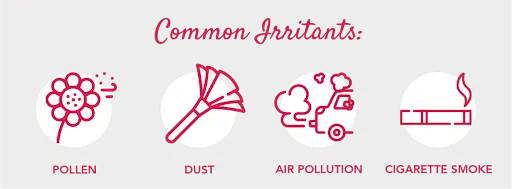
Where does phlegm come from? You may experience phlegm production due to an irritation in the respiratory system that’s causing inflammation in the airway tissue.3 Phlegm may form in response to irritants such as:
- Pollen
- Dust
- Air pollution and irritants
- Cigarette smoke5
Infections like colds and the flu can also trigger increased phlegm production as the body tries to fight the illness. In some cases, chronic lung conditions like asthma, chronic obstructive pulmonary disease (COPD), and bronchiectasis can also lead to increased phlegm production due to the repeated cycles of inflammation and infections.5
Having phlegm in the throat can also indicate postnasal drip, a condition that causes you to produce more mucus than usual. Postnasal drip can be triggered by a variety of conditions, including bacterial infections, allergies, or chronic acid reflux.6
Different Colors of Phlegm: What They Mean
Like mucus, phlegm is usually clear or white; however, changes in the color or consistency of phlegm can provide important clues about your health, including whether or not an underlying lung condition is causing a change in normal mucus production.
Below, we’ve included brief descriptions of the different colors of phlegm and what they mean:
Phlegm Color |
Health Indications |
What to Know |
 |
Clear or white phlegm is considered normal and healthy. It’s usually a sign that your respiratory system is functioning properly and is not infected or inflamed.7 | If you notice an increase in clear or white phlegm, it may be a sign of allergies or a viral infection. Consider taking daily allergy medication or speaking to a healthcare professional. |
 |
Yellow or green phlegm can indicate an infection, such as a cold or flu. The color comes from your white blood cells fighting off the infection.
In some cases, yellow or green phlegm can also signify a more serious bacterial infection.7 |
Monitor your symptoms and contact a healthcare provider if you develop a high fever, shortness of breath, chest pain, or wheezing. |
 |
Brown phlegm may be due to smoking or a chronic infection such as bronchitis. Black phlegm can also be caused by a history of smoking, inhalation of polluted air, tuberculosis, or fungal infections.8 | If you notice black phlegm, seek immediate medical attention, as it may be a sign of a serious condition. |
 |
Red or pink phlegm can indicate bleeding in the respiratory tract, which may be caused by various factors, including infections, inflammation, or more serious lung diseases.8 | You should always seek medical attention for red phlegm, even if it is a small amount. Seek immediate medical care if you are coughing up large amounts of blood, experiencing chest pain, or having shortness of breath.9 |
Any change in phlegm color can be an important health indicator. Contact your healthcare team to discuss changes in phlegm, especially if you have accompanying symptoms such as fever, chronic cough, fatigue, or shortness of breath. While not all changes in phlegm color are serious, some require immediate medical attention.

Finding Relief with Airway Clearance
Some people may experience excessive mucus production due to underlying conditions like bronchiectasis. In this case, treatment is necessary to help manage symptoms and keep the lungs clearer.
Effective airway clearance is essential for removing excess phlegm from the lungs. Several techniques can help loosen and move mucus so it can be coughed out more easily.
- Traditional chest physiotherapy (CPT). Manual vibration or percussion of the chest to loosen mucus.
- High-frequency chest wall oscillation (HFCWO). A form of CPT that uses gentle vibrations to offer patients an effective at-home option for airway clearance. The SmartVest device utilizes HFCWO to help clear mucus from the lungs.
- Postural drainage. Positioning the body so that gravity helps drain mucus from the lungs.
- Huff coughing. A controlled breathing technique that helps move mucus without straining.
If you or a loved one experiences recurrent mucus buildup, talk with your healthcare provider about which airway clearance methods are best for your needs. Combining HFCWO therapy, breathing exercises, and huff coughing can help individuals clear excess mucus and debris that can accumulate in the airways, making breathing easier.
You can also learn more about how HFCWO therapy works and whether SmartVest could be a good fit. With the SmartVest Airway Clearance System, regularly performing airway clearance can stabilize lung function, reduce hospitalization, and decrease antibiotic usage to treat infections. [10]
Find Lasting Relief from Mucus Buildup with SmartVest
If you’re living with bronchiectasis and struggling with mucus buildup, talk to your clinician about SmartVest to see if it’s a good option for you.
To get started, request an informational packet to be mailed to your home. Inside, you’ll find more information on how SmartVest works, clinical research on its effectiveness, and real-life testimonials of satisfied SmartVest users.
Additionally, we’ve included a prescription form to bring to your next doctor’s appointment so that you can experience relief from your symptoms.
In the meantime, we’re here to help if you have questions! Schedule a chat with one of our Patient Care Advocates, who are also Respiratory Therapists, to get the information you need to feel confident and take the next step in your journey to airway clearance!
Resources:
- Medical News Today. “19 Home Remedies for Phlegm and Mucus.” Retrieved from Medical News Today.
- Cleveland Clinic. “Coughing Up Phlegm.” Retrieved from Cleveland Clinic.
- Medical News Today. “Mucus: Where Does It Come From and How Does It Form?” Retrieved from Medical News Today.
- American Lung Association. “Understanding Mucus in the Lungs.” Retrieved from American Lung Association.
- Cleveland Clinic. “Coughing Up Phlegm.” Retrieved from Cleveland Clinic.
- Cleveland Clinic. “Postnasal Drip.” Retrieved from the Cleveland Clinic.
- Medical News Today. “What Is Sputum (Phlegm) Tell Us.” Retrieved from Medical News Today
- Medical News Today. “What does green, yellow, or brown phlegm mean?” Retrieved from Medical News Today
- Medical News Today. “What causes blood in phlegm, and when should people contact a doctor?” Retrieved from Medical News Today
- Powner J, Nesmith A, Kirkpatrick DP, Nichols JK, Bermingham B, Solomon GM. Employment of an algorithm of care including chest physiotherapy results in reduced hospitalizations and stability of lung function in bronchiectasis. BMC Pulm Med. 2019;19(1):82. Published 2019 Apr 25