Table of Contents
As temperatures drop and air conditions become drier, managing chronic lung conditions can become more challenging. Cold weather can make symptoms worse, cause chest pain, or make breathing even more difficult, especially if you’re living with a chronic lung condition, such as COPD (chronic obstructive pulmonary disease).
However, with a few proactive measures, you can safeguard your lungs and maintain your quality of life this winter. In this article, we’ll look at the connection between cold weather and COPD, including tips to help protect your lungs and prevent frequent COPD flare-ups.

Does Cold Weather Affect COPD?
Yes, cold weather can affect COPD symptoms. That’s because when the temperature drops, your body works harder to stay warm, putting additional strain on your heart and lungs.
The lungs must work harder to provide oxygen through the bloodstream. If you’re already experiencing common COPD symptoms, including shortness of breath, wheezing, and chronic cough, the added pressure can aggravate symptoms even more.
Common COPD Triggers in Winter
During the cold season, try to stay away from the following triggers to help you breathe easier and avoid lung irritation:
- Woodburning stoves, fireplaces, and burning leaves
- Cigarette smoke, including secondhand smoke
- Cold, windy or stormy weather1
COPD and Cold Weather Tips
Here are a few recommendations you can use to help you manage your COPD this season:
- Bundle Up and Shield Your Airways. Cold air can irritate your lungs, making it harder to breathe. Cover your nose and mouth with a scarf and breathe in through your nose and out through your mouth. This method warms the air before it enters your lungs, reducing the shock of cold air. Your clinician may also recommend that when outdoors, you wear a CT Mask specifically designed for people with COPD.2
- Dress in Layers. Keeping your core warm helps regulate your body’s response to cold air, which may help prevent airway constriction. Plan activities for warmer parts of the day and avoid prolonged exposure to freezing temperatures.
- Guard Against Illness. Winter is peak flu and cold season, and respiratory infections can worsen COPD symptoms. Make sure your flu and COVID-19 vaccinations are current, and ask your doctor if a pneumococcal vaccine is right for you. As COPD patients are more likely to contract pneumonia,3 skipping your annual vaccines may put you at a higher risk of developing this or another lower respiratory infection.
It’s also a good idea to practice good hygiene: wash your hands frequently, use hand sanitizer, and avoid close contact with people who are sick. Taking these precautions can minimize the risk of illness and its impact on your respiratory health. - Skip the Strenuous Outdoor Activities. When the temperature dips, plan to stay indoors and avoid going outside. Performing strenuous activities, including shoveling snow, jogging, or skiing, can put your lungs at risk and cause a flare-up of symptoms.
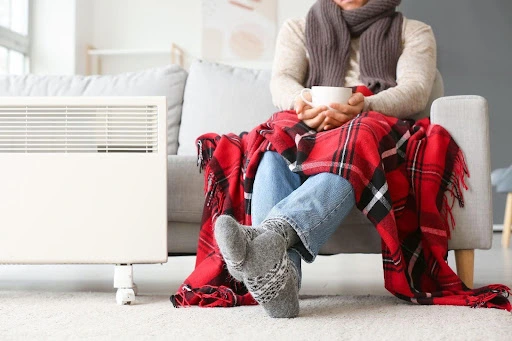
- Optimize Your Home Environment. Indoor air quality is crucial during winter, especially when you spend more time inside. Cold, dry air can irritate your lungs, so try to maintain indoor humidity levels between 30–50%.4 Humidifiers can be a breeding ground for mycobacteria, so if you use one, clean it regularly (every 3 days) and use distilled or demineralized water.Try to steer clear of tobacco smoke, scented candles, or harsh cleaning products that can worsen COPD symptoms. Prevent drafts and maintain a consistent indoor temperature to reduce stress on your lungs. Finally, routine maintenance of your furnace and air filters will also ensure you breathe clean, warm air at home.
- Keep up with your airway clearance techniques. Making recommended techniques a part of your routine can help improve restricted airflow and prevent respiratory infection.
Protect Your Lungs This Season
Managing COPD and cold weather doesn’t have to be overwhelming. By following these tips, you can breathe easier, even when the weather outside is frightful.
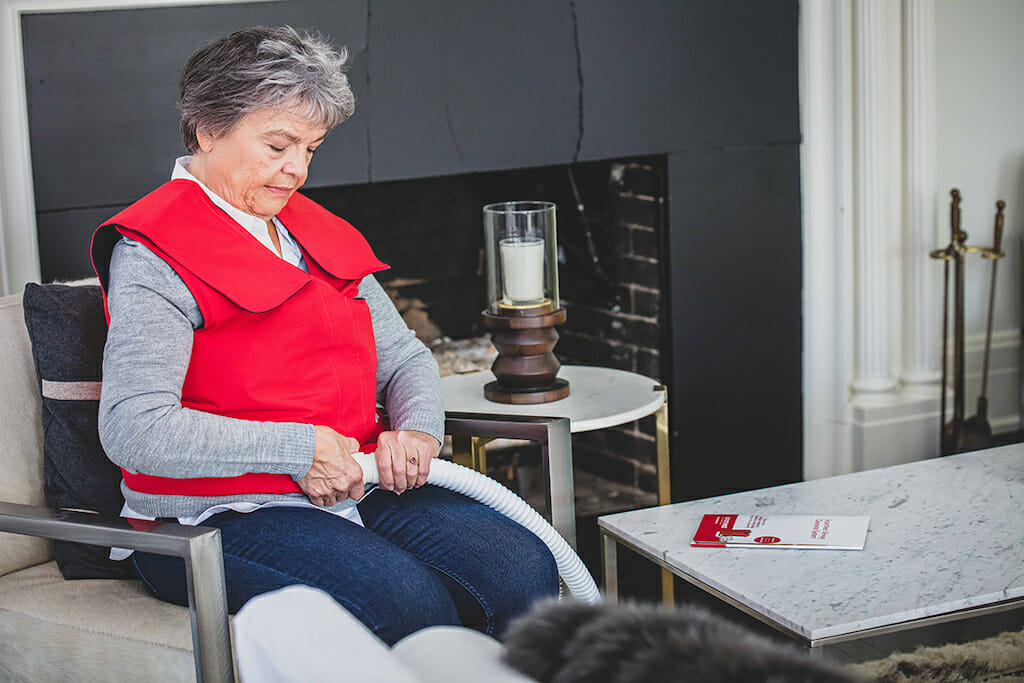
Are you or a loved one experiencing an overlap of COPD and bronchiectasis? Contact your clinician for a high-resolution computerized tomography (HRCT) scan. If diagnosed with bronchiectasis, you may be eligible for the SmartVest Airway Clearance System. SmartVest is a high-frequency chest wall oscillation (HFCWO) therapy device that can help mobilize mucus and reduce lung infections. It’s been clinically proven to reduce hospitalizations and stabilize lung function.5
Request my informational SmartVest packet.
Resources
- American Lung Association. (2025) “Prevent and Recover from a COPD Exacerbation or Flare Up.“
- Lung Institute. “CT Masks for COPD.”
- National Library of Medicine. (2018) “Pneumonia in Patients with Chronic Obstructive Pulmonary Disease.”
- Mayo Clinic. (2023) “Humidifiers: Ease skin, breathing symptoms.”
- Powner, Jordan, et al. Employment of an Algorithm of Care Including Chest Physiotherapy Results in Reduced Hospitalizations and Stability of Lung Function in Bronchiectasis. BMC Pulmonary Medicine, BioMed Central. 25 Apr. 2019.