Table of Contents
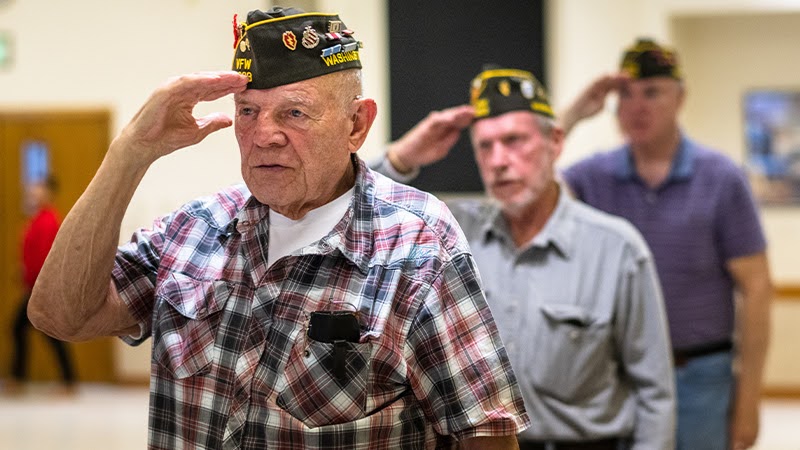
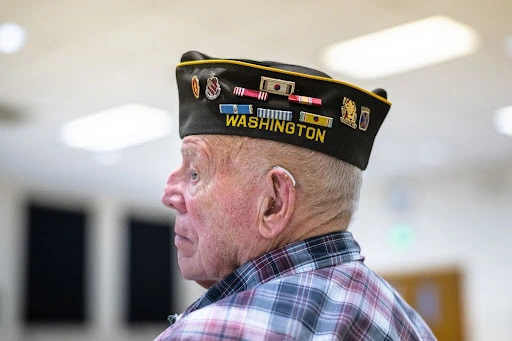
For many veterans, bronchiectasis isn’t just a health issue; it can come from service-related exposures. Fortunately, there are effective treatments available, including high-frequency chest wall oscillation (HFCWO) therapy, that help veterans breathe easier and manage the condition with greater independence.
Let’s look at the connection between respiratory conditions and military service to help you understand your eligibility for VA benefits and receive the treatment and care you deserve.


Understanding Bronchiectasis in Veterans
Bronchiectasis occurs when the airways in the lungs become permanently damaged, widened, and thickened. This can result in mucus buildup that’s hard to get rid of, which can lead to recurrent infections.
While this condition can be caused by genetics, autoimmune disorders, or infections, military service-related exposures (e.g., burn pits, Agent Orange, or other respiratory hazards) can contribute to or worsen the symptoms.
Many veterans with bronchiectasis may sometimes also have related diagnoses, including bronchitis and chronic obstructive pulmonary disease (COPD). While these conditions may make your symptoms more difficult to deal with, they can increase your chances of qualifying for VA disability compensation.1
VA Disability Ratings for Bronchiectasis and Respiratory Issues
Veterans may qualify for disability benefits if their bronchiectasis or other respiratory issues can be linked to their service. Here’s how the VA rates different respiratory conditions:
- Bronchiectasis VA Rating. This is evaluated under 38 CFR § 4.97 – Diagnostic Code 6601.2 Ratings are typically based on the severity of your symptoms, frequency of infections, and pulmonary function test (PFT) results, ranging from 10% to 100%.
- Bronchitis VA Rating. This is evaluated under Diagnostic Code 6600. Chronic bronchitis is also evaluated based on PFT results and symptom severity, with ratings of 10%, 30%, 60%, or 100%.2
- Restrictive Lung Disease VA Rating. This can include conditions like pulmonary fibrosis and interstitial lung disease3, rated based on how much these conditions limit breathing and oxygen exchange.
- Respiratory Disability Rating Scale VA. The VA uses standardized rating criteria for all respiratory conditions, heavily relying on PFTs to determine eligibility and compensation level.4
- Agent Orange Respiratory Problems. While bronchiectasis is not on the presumptive list for Agent Orange exposure, related conditions (like COPD or asthma) may strengthen your claim.5
Are you a veteran? Work closely with your VA representative or Veteran Service Office (VSO) to ensure all respiratory diagnoses are included in their claim and that service-related exposures are thoroughly documented.
Airway Clearance & Veterans: Why It Matters
One of the most effective ways to manage bronchiectasis is by routinely using airway clearance therapy. This time-tested approach can help:
- Mobilize trapped mucus out of the lungs.
- Reduce the risk of infection.
- Improve your breathing quality and overall quality of life.
If you’re dealing with frequent coughing, chest congestion, and recurrent respiratory infections, consider trying HFCWO therapy.
SmartVest: A Veteran-Friendly Solution
Electromed’s SmartVest Airway Clearance System is an HFCWO vest designed to simplify daily airway clearance for veterans living with bronchiectasis. It’s:
- Portable and user-friendly – Designed for easy, at-home use or light enough to make the journey as you travel.
- Clinically proven – Helps reduce hospitalizations and improve quality of life.6
- Covered by insurance – Including many VA and TRICARE plans.
SmartVest may be available for eligible veterans through the VA system with a prescription and approval.
Getting the Support You Deserve
If you’re a veteran living with bronchiectasis or chronic respiratory disease, you don’t have to navigate treatment or VA benefits alone. Here’s what you can do:
- Talk to your VA provider about SmartVest.
- Request a pulmonary evaluation to document your symptoms and lung function.
- Connect with a VSO to file a claim or increase your bronchiectasis VA disability rating.
- Ask about Agent Orange exposure documentation if applicable.
American Made: What Sets SmartVest Apart
- Made in the U.S.A. – That’s right, we’re a small business based right here in the USA.
- High Quality, Natural Treatment – This option is a non-drug chest therapy that’s covered by veterans’ healthcare. Our vests are built to last, ensuring minimal interruptions to your treatment. If something happens to your vest, our team is here to help fix it.
- Easy to Use and Maintain – SmartVest is easy to use independently and is machine washable.
You Served. Now Breathe Easier.
SmartVest has partnered with Marathon Medical, a proud veteran-owned company, to provide you with faster and more effective solutions for managing various respiratory conditions, including bronchiectasis.
If you or a loved one is dealing with bronchiectasis and military service-related lung conditions, we’re here to provide respiratory care as quickly and efficiently as possible.
Learn more about how SmartVest is supporting veterans.
Want to talk to someone directly? You’re welcome to call us to speak with a Patient Care Advocate who is familiar with the VA process.
Sources
- U.S. Department of Veterans Affairs. “The PACT Act and your VA benefits.” Retrieved from U.S. Department of Veterans Affairs.
- Code of Federal Regulations. “§ 4.97 Schedule of ratings—respiratory system.” Retrieved from Code of Federal Regulations.
- Veterans Health Library. “Idiopathic Pulmonary Fibrosis (IPF)” Retrieved from Veterans Health Library.
- U.S. Department of Veterans Affairs. “M21-1, Part V, Subpart iii, Chapter 4, Section A – Respiratory Conditions.” Retrieved from U.S. Department of Veterans Affairs.
- U.S. Department of Veterans Affairs. “Agent Orange exposure and disability compensation.” Retrieved from U.S. Department of Veterans Affairs.
- Sievert C et al. Respiratory Therapy, Vol. 11 No 4, 34-38, 2016.